০২:০৭ পূর্বাহ্ন, শুক্রবার, ২৬ জুন ২০২৬
বার্নিং ম্যান উৎসবের ইতিহাস নিয়ে আসছে এইচবিও ডকুসিরিজ সিনেমা হলকে নতুনভাবে সাজাচ্ছে সাংহাই মেলনের বৈশ্বিক কে-পপ তালিকায় আলোচনায় রাইজ ও বয় নেক্সট ডোর হাঙ্গেরির প্রেসিডেন্টকে অপসারণে সংবিধান সংশোধনের উদ্যোগ, রাজনৈতিক উত্তেজনা তুঙ্গে ট্রাম্পের পক্ষে সুপ্রিম কোর্টের রায়, যুক্তরাষ্ট্র-মেক্সিকো সীমান্তে আশ্রয়প্রার্থীদের ফেরানোর পথ খুলল রাশিয়ার যুব ফুটবল দলের ফেরার ইঙ্গিত, নতুন টুর্নামেন্টে অংশগ্রহণের পথ খুলছে ফিফা ডা. এ বি এম আবদুল্লাহর ইমেরিটাস অধ্যাপক পদ বাতিল, বেতন-ভাতা ফেরতের নির্দেশ সিরাজগঞ্জে যমুনার স্রোতে ভেসে প্রাণ গেল দুই মাদ্রাসাছাত্রের খেলাপি ঋণের চাপে ‘মোট শকে’ ব্যাংকিং খাত, সংসদে রেজা কিবরিয়ার কঠোর সমালোচনা ৪৩তম বিসিএসের নন-ক্যাডার মেধাতালিকা ৬০ দিনের মধ্যে প্রকাশের নির্দেশ হাইকোর্টের

বিশ্বজুড়ে তামাকের ভয়াবহতা: শিশু থেকে বন—সবই ঝুঁকিতে

বিশ্বজুড়ে তামাকের ব্যবহার এখন এক ভয়াবহ বৈশ্বিক সংকটে রূপ নিয়েছে। পরিসংখ্যান বলছে, পৃথিবীতে ১২০ কোটির বেশি মানুষ সিগারেটে আসক্ত, যার প্রায় অর্ধেকই শেষ পর্যন্ত এই অভ্যাসের কারণে মৃত্যুর ঝুঁকিতে পড়ছেন। শুধু স্বাস্থ্য নয়, অর্থনীতি, পরিবেশ ও সমাজ—সব ক্ষেত্রেই তামাকের প্রভাব গভীর হয়ে উঠছে।

স্বাস্থ্যঝুঁকি ও মৃত্যুর মিছিল

প্রতিবছর তামাকের কারণে ৮৭ লাখের বেশি মানুষ প্রাণ হারাচ্ছেন। এর মধ্যে অধিকাংশ মৃত্যুই সরাসরি তামাক ব্যবহারের কারণে, আর বাকিরা ক্ষতিগ্রস্ত হচ্ছেন পরোক্ষ ধূমপানের মাধ্যমে। নিম্ন ও মধ্যম আয়ের দেশগুলোতেই এই মৃত্যুর হার সবচেয়ে বেশি, যা জনস্বাস্থ্যের জন্য বড় হুমকি হয়ে দাঁড়িয়েছে।

অর্থনৈতিক ক্ষতির চাপ

তামাকের কারণে বৈশ্বিক অর্থনীতিতে বছরে প্রায় ২ ট্রিলিয়ন ডলারের ক্ষতি হচ্ছে। চিকিৎসা ব্যয় ও উৎপাদনশীলতা হ্রাস—দুই মিলিয়েই এই বিপুল ক্ষতি তৈরি হচ্ছে। অনেক দেশে স্বাস্থ্যখাতের বড় অংশই ব্যয় হচ্ছে তামাকজনিত রোগের চিকিৎসায়।

The tobacco industry targets young people with brightly coloured new products such as these vapes displayed in a shop window in Geneva, Switzerland

শিশু ও তরুণদের টার্গেট

তামাক শিল্পের বড় উদ্বেগজনক দিক হলো শিশু ও কিশোরদের লক্ষ্য করে বাজার তৈরি করা। বিশ্বজুড়ে ১৩ থেকে ১৫ বছর বয়সী প্রায় ৫ কোটি কিশোর তামাক ব্যবহার করছে। অনেক দেশে তরুণদের মধ্যে তামাকের ব্যবহার প্রাপ্তবয়স্কদের চেয়েও বেশি হয়ে উঠছে।

শিশুশ্রম ও মানবিক সংকট

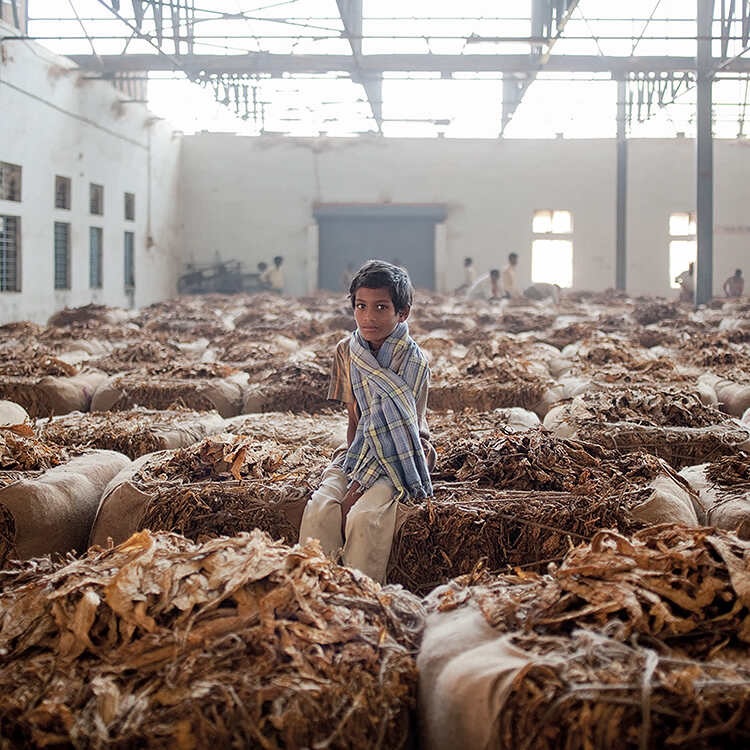
তামাক উৎপাদনের সঙ্গে জড়িয়ে আছে শিশুশ্রমের ভয়াবহ চিত্র। বিশ্বের বিভিন্ন দেশে লাখ লাখ শিশু তামাকক্ষেতে কাজ করতে বাধ্য হচ্ছে। তারা দীর্ঘ সময় কাজ করার পাশাপাশি বিষাক্ত রাসায়নিকের সংস্পর্শে এসে গুরুতর স্বাস্থ্যঝুঁকিতে পড়ছে।

পরিবেশ ধ্বংসের নেপথ্যে তামাক

তামাক চাষের কারণে ব্যাপক হারে বন উজাড় হচ্ছে। হিসাব বলছে, প্রতি বছর প্রায় ৬০ কোটি গাছ কাটা হয় শুধুমাত্র সিগারেট উৎপাদনের জন্য। বিশ্বজুড়ে প্রায় ২ লাখ হেক্টর বনভূমি তামাক চাষের কারণে বিলীন হয়ে যাচ্ছে।

A salesperson promotes cigarettes inside a water park in Jakarta, Indonesia. Salespeople are typically female students. They’re forced to sign an exclusivity contract stating that they won’t work for any other tobacco company. In Indonesia, tobacco brands have a high-profile presence at music, sport and cultural events

অবৈধ বাণিজ্য ও আন্তর্জাতিক চক্র

তামাক বাণিজ্যের একটি বড় অংশ অবৈধ পথে পরিচালিত হয়। বিশ্বব্যাপী সিগারেট বাণিজ্যের প্রায় ৬ শতাংশই চোরাচালানের সঙ্গে যুক্ত। এই অবৈধ বাজার থেকে অর্জিত অর্থ অনেক ক্ষেত্রে মাদক বাণিজ্যের সমপর্যায়ের।

খাদ্য নিরাপত্তার ওপর প্রভাব

তামাক চাষের জন্য বিপুল জমি ব্যবহৃত হচ্ছে, যা খাদ্য উৎপাদনের জন্য ব্যবহার করা গেলে কোটি মানুষের খাদ্য নিরাপত্তা নিশ্চিত করা সম্ভব হতো। বিশেষজ্ঞরা বলছেন, এই জমিতে খাদ্যশস্য উৎপাদন করলে অন্তত ২ কোটি মানুষ উপকৃত হতে পারতেন।

তামাকের বিরুদ্ধে বৈশ্বিক উদ্যোগ

তামাকজনিত স্বাস্থ্যঝুঁকি ও শিশুশ্রম মোকাবিলায় আন্তর্জাতিক পর্যায়ে বিভিন্ন উদ্যোগ নেওয়া হয়েছে। তবে বাজারের চাহিদা ও আগ্রাসী বিপণন কৌশলের কারণে এই সমস্যার সমাধান এখনও বড় চ্যালেঞ্জ হয়ে আছে।

তামাকের এই বহুমাত্রিক ক্ষতি এখন আর শুধু ব্যক্তিগত অভ্যাসের বিষয় নয়—এটি বৈশ্বিক স্বাস্থ্য, পরিবেশ ও অর্থনীতির জন্য এক গভীর সংকট হিসেবে সামনে এসেছে।

Indonesia has the highest rate of underage smokers in the world. More than 30 per cent of Indonesian children start smoking before the age of ten, encouraged by aggressive marketing strategies and low cigarette costs. In total, the country has 165 million smokers – more than a third of its population. The growth of sales in emerging markets such as Indonesia’s has more than compensated for the drop in consumption that has taken place in Europe and the USA


China manufactures more cigarettes than any other country. The Hongta automated plant in Yuxi is considered to be the world’s most advanced and produces 135 billion cigarettes a year – 12 per cent of the country’s output


The Chinese government funds institutions such as the College of Tobacco Science at Yunnan Agricultural University, which carries out research into the production of pest-resistant seeds, such as those pictured here, to improve yields. More than a million hectares of agricultural land is given over to tobacco production in China


The central depository for counterfeit and illegally imported cigarettes in southern Italy is located in the former state cigarette-manufacturing plant. Seized cigarettes are stored in order to verify their origin and legal status, before being destroyed. Italy acts as a core transit hub for illegal tobacco, thanks to its position as a bridge between Eastern Europe, North Africa and the EU


Slovenian customs officials on the lookout for trucks arriving from Ukraine – the leading source of contraband cigarettes shipped to the EU. More than 4.8 billion cigarettes are smuggled from Ukraine each year, accounting for almost 11 per cent of the total contraband volume shipped to the EU. Revenue generated by the illicit tobacco trade in the EU is comparable to that of the cocaine and heroin markets


A female worker in Pangire, India, at a factory that makes ‘bidis’ (a cheap and highly popular type of cigarette made from unprocessed tobacco wrapped in leaves). Inside bidi plants, the air is saturated with tobacco dust. The workers have no protection


Miguel, 14, in a tobacco field in North Carolina, USA, early on a Sunday morning. He works 12–13 hours a day during the summer, earning US$7.85 an hour. Both of his undocumented parents work in the tobacco fields. Advocates who study migrant farmworker families estimate that as many as half a million children currently work on US tobacco farms. Handling tobacco leaves causes the absorption of high doses of nicotine, the equivalent of 12 cigarettes a day, or as many as 36 on a humid day, leading to what’s called green tobacco sickness. Children, with their lower body mass, have a lower intoxication threshold for both nicotine and the chemicals used in tobacco farming


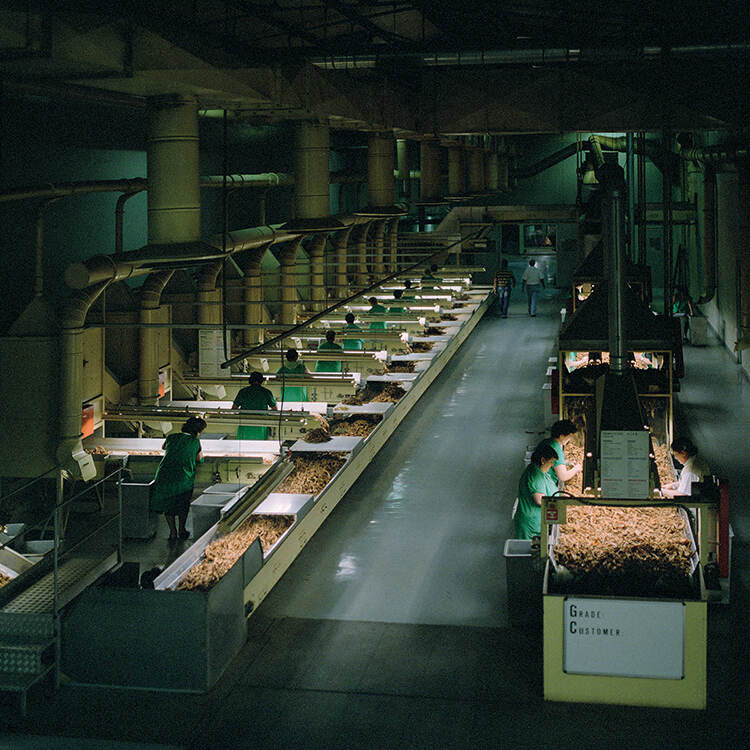
Women work on the sorting line of a tobacco-threshing plant in Francolise, Italy. They are exposed to high levels of tobacco dust and are at risk of nicotine poisoning


A tobacco taster employed by Shah Chhanganlal Ugarchand in Nipani, India, one of the region’s largest tobacco agents. A tobacco taster smokes up to 100 cigarettes a day in order to grade the different batches of tobacco


A cleared area to be planted with tobacco. It has been calculated that one tree has to be cut down in order to produce 15 packs of cigarettes, with a total loss of 600 million trees globally every year. About 200,000 hectares of forest and woodland are eliminated throughout the world by tobacco farming each year


An Indian tobacco labourer in a field where bidi tobacco and sorghum is mixed. This technique helps farmers reduce their dependency on tobacco


Tobacco leaves drying next to a house in Marchevo, Bulgaria. Most Bulgarian tobacco farmers dry leaves at their homes; in most cases, the crop is the sole source of a cash income for the year


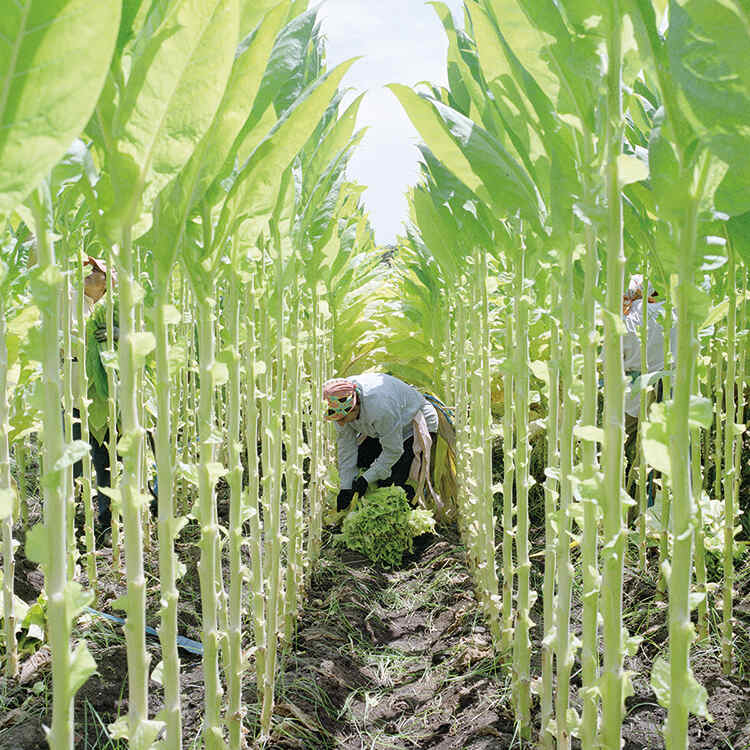
A woman picks tobacco leaves in Marcianise, Italy. This variety of tobacco is harvested over the summer by removing leaves from the lower part of the stem


Serenella Pacifici, 71, waits in the surgical ward of the European Institute of Oncology in Milan, Italy, to be operated on for lung cancer. She had been smoking since she was 17. In Italy, seven per cent of the funds spent on health goes on treating smoking-linked diseases


A cancer patient being scanned at the European Institute of Oncology in Milan. The global economic cost of smoking is considered to be about US$1,852 billion – equivalent to roughly 1.8 per cent of the world’s annual gross domestic product


Surgeon Giulia Veronesi dissects a lung-cancer tumour after having performed a four-hour-long surgery on a male smoker at the European Institute of Oncology


জনপ্রিয় সংবাদ

বার্নিং ম্যান উৎসবের ইতিহাস নিয়ে আসছে এইচবিও ডকুসিরিজ

বিশ্বজুড়ে তামাকের ভয়াবহতা: শিশু থেকে বন—সবই ঝুঁকিতে

১২:২৮:৩৯ অপরাহ্ন, বৃহস্পতিবার, ২৩ এপ্রিল ২০২৬

বিশ্বজুড়ে তামাকের ব্যবহার এখন এক ভয়াবহ বৈশ্বিক সংকটে রূপ নিয়েছে। পরিসংখ্যান বলছে, পৃথিবীতে ১২০ কোটির বেশি মানুষ সিগারেটে আসক্ত, যার প্রায় অর্ধেকই শেষ পর্যন্ত এই অভ্যাসের কারণে মৃত্যুর ঝুঁকিতে পড়ছেন। শুধু স্বাস্থ্য নয়, অর্থনীতি, পরিবেশ ও সমাজ—সব ক্ষেত্রেই তামাকের প্রভাব গভীর হয়ে উঠছে।

স্বাস্থ্যঝুঁকি ও মৃত্যুর মিছিল

প্রতিবছর তামাকের কারণে ৮৭ লাখের বেশি মানুষ প্রাণ হারাচ্ছেন। এর মধ্যে অধিকাংশ মৃত্যুই সরাসরি তামাক ব্যবহারের কারণে, আর বাকিরা ক্ষতিগ্রস্ত হচ্ছেন পরোক্ষ ধূমপানের মাধ্যমে। নিম্ন ও মধ্যম আয়ের দেশগুলোতেই এই মৃত্যুর হার সবচেয়ে বেশি, যা জনস্বাস্থ্যের জন্য বড় হুমকি হয়ে দাঁড়িয়েছে।

অর্থনৈতিক ক্ষতির চাপ

তামাকের কারণে বৈশ্বিক অর্থনীতিতে বছরে প্রায় ২ ট্রিলিয়ন ডলারের ক্ষতি হচ্ছে। চিকিৎসা ব্যয় ও উৎপাদনশীলতা হ্রাস—দুই মিলিয়েই এই বিপুল ক্ষতি তৈরি হচ্ছে। অনেক দেশে স্বাস্থ্যখাতের বড় অংশই ব্যয় হচ্ছে তামাকজনিত রোগের চিকিৎসায়।

The tobacco industry targets young people with brightly coloured new products such as these vapes displayed in a shop window in Geneva, Switzerland

শিশু ও তরুণদের টার্গেট

তামাক শিল্পের বড় উদ্বেগজনক দিক হলো শিশু ও কিশোরদের লক্ষ্য করে বাজার তৈরি করা। বিশ্বজুড়ে ১৩ থেকে ১৫ বছর বয়সী প্রায় ৫ কোটি কিশোর তামাক ব্যবহার করছে। অনেক দেশে তরুণদের মধ্যে তামাকের ব্যবহার প্রাপ্তবয়স্কদের চেয়েও বেশি হয়ে উঠছে।

শিশুশ্রম ও মানবিক সংকট

তামাক উৎপাদনের সঙ্গে জড়িয়ে আছে শিশুশ্রমের ভয়াবহ চিত্র। বিশ্বের বিভিন্ন দেশে লাখ লাখ শিশু তামাকক্ষেতে কাজ করতে বাধ্য হচ্ছে। তারা দীর্ঘ সময় কাজ করার পাশাপাশি বিষাক্ত রাসায়নিকের সংস্পর্শে এসে গুরুতর স্বাস্থ্যঝুঁকিতে পড়ছে।

পরিবেশ ধ্বংসের নেপথ্যে তামাক

তামাক চাষের কারণে ব্যাপক হারে বন উজাড় হচ্ছে। হিসাব বলছে, প্রতি বছর প্রায় ৬০ কোটি গাছ কাটা হয় শুধুমাত্র সিগারেট উৎপাদনের জন্য। বিশ্বজুড়ে প্রায় ২ লাখ হেক্টর বনভূমি তামাক চাষের কারণে বিলীন হয়ে যাচ্ছে।

A salesperson promotes cigarettes inside a water park in Jakarta, Indonesia. Salespeople are typically female students. They’re forced to sign an exclusivity contract stating that they won’t work for any other tobacco company. In Indonesia, tobacco brands have a high-profile presence at music, sport and cultural events

অবৈধ বাণিজ্য ও আন্তর্জাতিক চক্র

তামাক বাণিজ্যের একটি বড় অংশ অবৈধ পথে পরিচালিত হয়। বিশ্বব্যাপী সিগারেট বাণিজ্যের প্রায় ৬ শতাংশই চোরাচালানের সঙ্গে যুক্ত। এই অবৈধ বাজার থেকে অর্জিত অর্থ অনেক ক্ষেত্রে মাদক বাণিজ্যের সমপর্যায়ের।

খাদ্য নিরাপত্তার ওপর প্রভাব

তামাক চাষের জন্য বিপুল জমি ব্যবহৃত হচ্ছে, যা খাদ্য উৎপাদনের জন্য ব্যবহার করা গেলে কোটি মানুষের খাদ্য নিরাপত্তা নিশ্চিত করা সম্ভব হতো। বিশেষজ্ঞরা বলছেন, এই জমিতে খাদ্যশস্য উৎপাদন করলে অন্তত ২ কোটি মানুষ উপকৃত হতে পারতেন।

তামাকের বিরুদ্ধে বৈশ্বিক উদ্যোগ

তামাকজনিত স্বাস্থ্যঝুঁকি ও শিশুশ্রম মোকাবিলায় আন্তর্জাতিক পর্যায়ে বিভিন্ন উদ্যোগ নেওয়া হয়েছে। তবে বাজারের চাহিদা ও আগ্রাসী বিপণন কৌশলের কারণে এই সমস্যার সমাধান এখনও বড় চ্যালেঞ্জ হয়ে আছে।

তামাকের এই বহুমাত্রিক ক্ষতি এখন আর শুধু ব্যক্তিগত অভ্যাসের বিষয় নয়—এটি বৈশ্বিক স্বাস্থ্য, পরিবেশ ও অর্থনীতির জন্য এক গভীর সংকট হিসেবে সামনে এসেছে।

Indonesia has the highest rate of underage smokers in the world. More than 30 per cent of Indonesian children start smoking before the age of ten, encouraged by aggressive marketing strategies and low cigarette costs. In total, the country has 165 million smokers – more than a third of its population. The growth of sales in emerging markets such as Indonesia’s has more than compensated for the drop in consumption that has taken place in Europe and the USA


China manufactures more cigarettes than any other country. The Hongta automated plant in Yuxi is considered to be the world’s most advanced and produces 135 billion cigarettes a year – 12 per cent of the country’s output


The Chinese government funds institutions such as the College of Tobacco Science at Yunnan Agricultural University, which carries out research into the production of pest-resistant seeds, such as those pictured here, to improve yields. More than a million hectares of agricultural land is given over to tobacco production in China


The central depository for counterfeit and illegally imported cigarettes in southern Italy is located in the former state cigarette-manufacturing plant. Seized cigarettes are stored in order to verify their origin and legal status, before being destroyed. Italy acts as a core transit hub for illegal tobacco, thanks to its position as a bridge between Eastern Europe, North Africa and the EU


Slovenian customs officials on the lookout for trucks arriving from Ukraine – the leading source of contraband cigarettes shipped to the EU. More than 4.8 billion cigarettes are smuggled from Ukraine each year, accounting for almost 11 per cent of the total contraband volume shipped to the EU. Revenue generated by the illicit tobacco trade in the EU is comparable to that of the cocaine and heroin markets


A female worker in Pangire, India, at a factory that makes ‘bidis’ (a cheap and highly popular type of cigarette made from unprocessed tobacco wrapped in leaves). Inside bidi plants, the air is saturated with tobacco dust. The workers have no protection


Miguel, 14, in a tobacco field in North Carolina, USA, early on a Sunday morning. He works 12–13 hours a day during the summer, earning US$7.85 an hour. Both of his undocumented parents work in the tobacco fields. Advocates who study migrant farmworker families estimate that as many as half a million children currently work on US tobacco farms. Handling tobacco leaves causes the absorption of high doses of nicotine, the equivalent of 12 cigarettes a day, or as many as 36 on a humid day, leading to what’s called green tobacco sickness. Children, with their lower body mass, have a lower intoxication threshold for both nicotine and the chemicals used in tobacco farming


Women work on the sorting line of a tobacco-threshing plant in Francolise, Italy. They are exposed to high levels of tobacco dust and are at risk of nicotine poisoning


A tobacco taster employed by Shah Chhanganlal Ugarchand in Nipani, India, one of the region’s largest tobacco agents. A tobacco taster smokes up to 100 cigarettes a day in order to grade the different batches of tobacco


A cleared area to be planted with tobacco. It has been calculated that one tree has to be cut down in order to produce 15 packs of cigarettes, with a total loss of 600 million trees globally every year. About 200,000 hectares of forest and woodland are eliminated throughout the world by tobacco farming each year


An Indian tobacco labourer in a field where bidi tobacco and sorghum is mixed. This technique helps farmers reduce their dependency on tobacco


Tobacco leaves drying next to a house in Marchevo, Bulgaria. Most Bulgarian tobacco farmers dry leaves at their homes; in most cases, the crop is the sole source of a cash income for the year


A woman picks tobacco leaves in Marcianise, Italy. This variety of tobacco is harvested over the summer by removing leaves from the lower part of the stem


Serenella Pacifici, 71, waits in the surgical ward of the European Institute of Oncology in Milan, Italy, to be operated on for lung cancer. She had been smoking since she was 17. In Italy, seven per cent of the funds spent on health goes on treating smoking-linked diseases


A cancer patient being scanned at the European Institute of Oncology in Milan. The global economic cost of smoking is considered to be about US$1,852 billion – equivalent to roughly 1.8 per cent of the world’s annual gross domestic product


Surgeon Giulia Veronesi dissects a lung-cancer tumour after having performed a four-hour-long surgery on a male smoker at the European Institute of Oncology